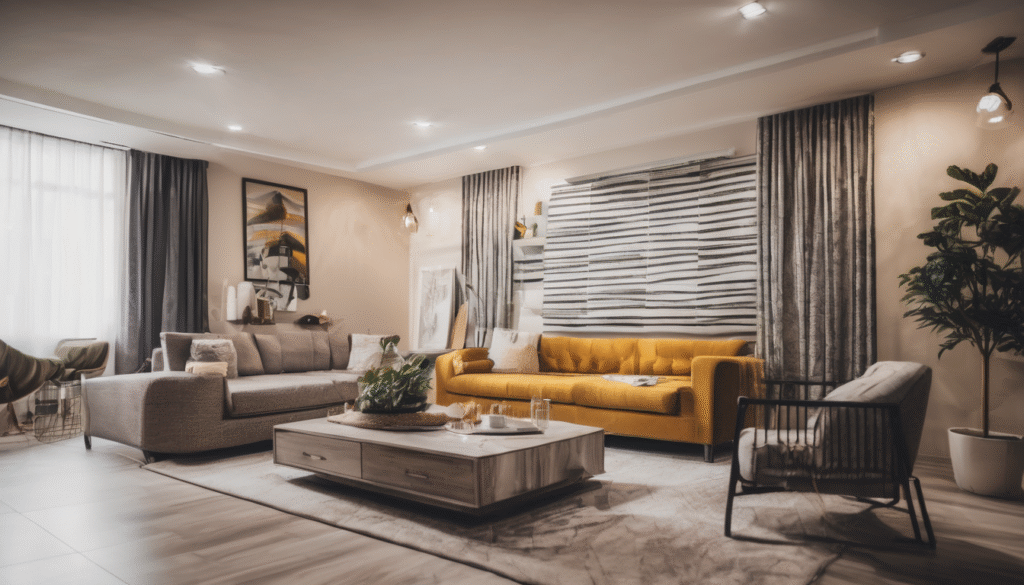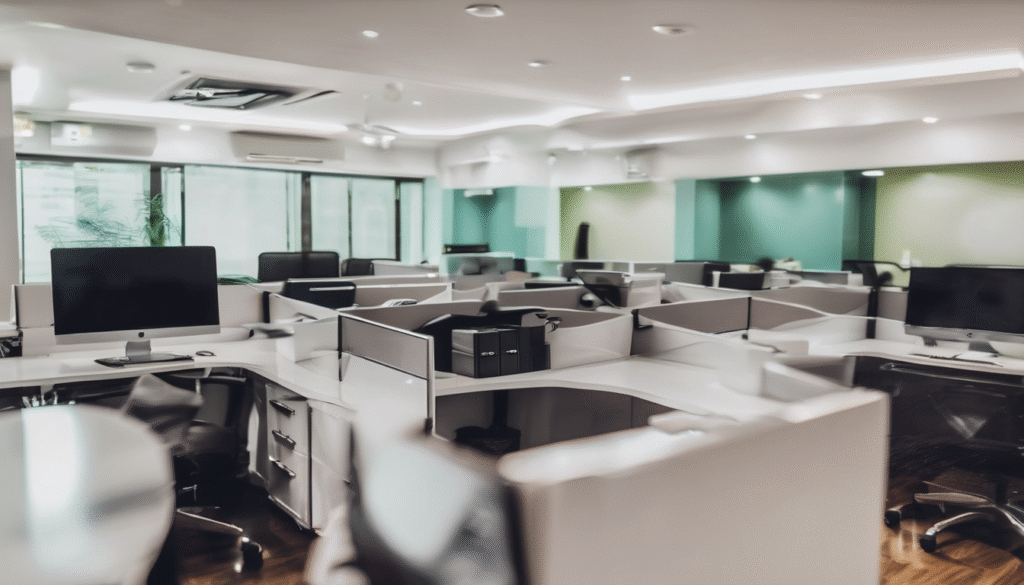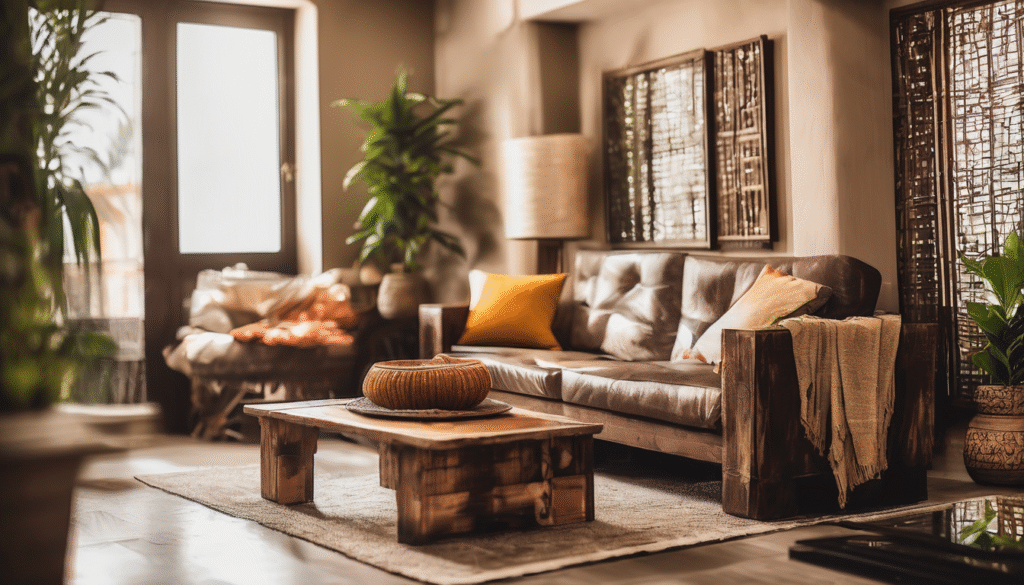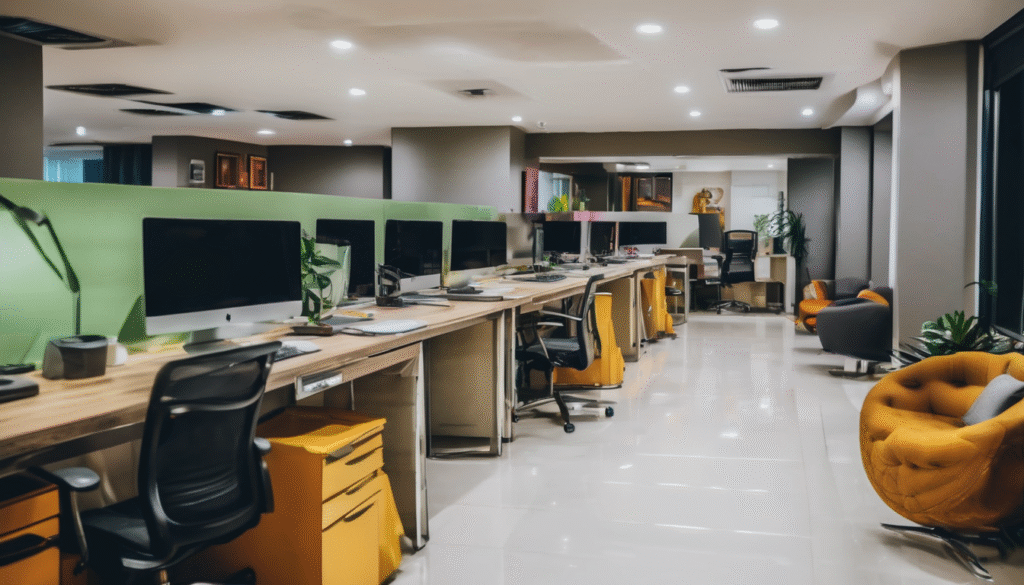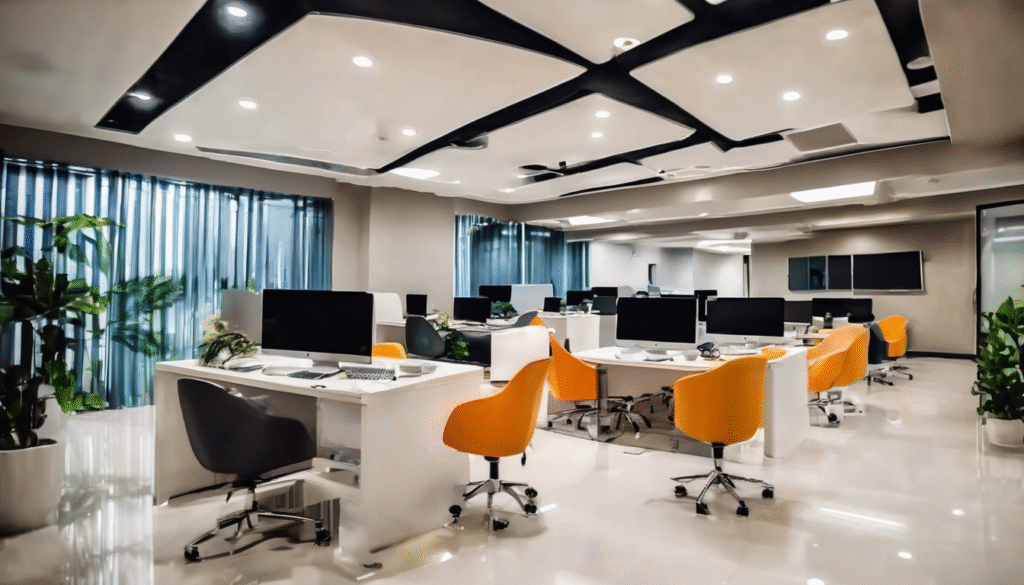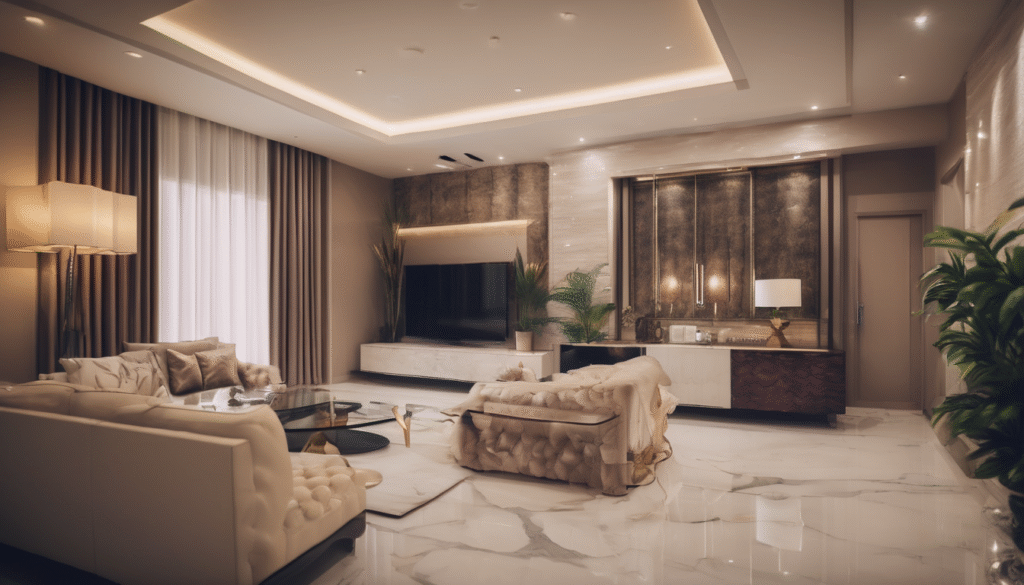

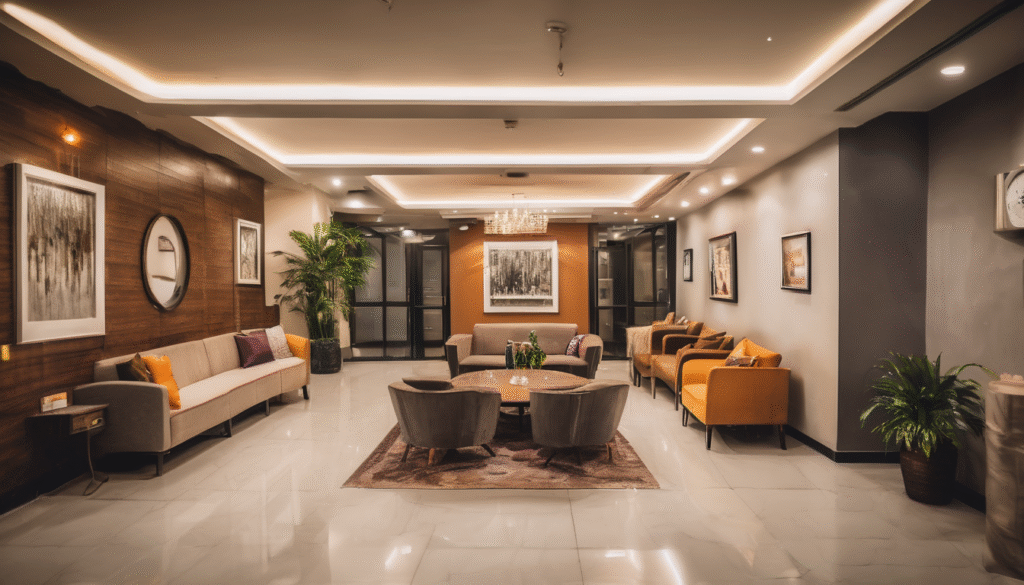
As businesses in Indore increasingly recognize the importance of eco-friendly practices, the demand for sustainable commercial interior design has surged. Not only does an eco-conscious approach help reduce environmental impact, but it can also enhance brand image and employee well-being. This article explores innovative and stylish sustainable design ideas tailored specifically for businesses in Indore, ensuring an aesthetically pleasing yet environmentally responsible workspace.
Understanding Sustainable Commercial Interior Design
Sustainable commercial interior design focuses on creating spaces that are not only functional and aesthetically pleasing but also environmentally responsible. This means using materials that minimize harm to the environment and implement practices that promote energy efficiency, reduce waste, and enhance indoor air quality.
Key Principles of Sustainable Design
- Resource Efficiency: Utilize materials that are renewable, recyclable, or sustainably sourced.
- Energy Efficiency: Incorporate energy-efficient appliances and lighting solutions.
- Indoor Environmental Quality: Ensure good ventilation and use low-VOC (volatile organic compounds) materials.
- Waste Reduction: Design for longevity and reuse, minimizing the need for constant updates or replacements.
Innovative Sustainable Design Ideas for Indore Businesses
1. Biophilic Design Elements
Integrating natural elements into your commercial space can significantly enhance the ambiance and promote well-being. Biophilic design focuses on connecting people with nature, which can be achieved through:
- Indoor Plants: Use a variety of indoor plants to improve air quality and aesthetics.
- Natural Lighting: Maximize natural light through large windows or skylights, reducing reliance on artificial lighting.
- Water Features: Incorporate small fountains or aquariums to create a calming atmosphere.
2. Upcycled and Reclaimed Materials
Utilizing upcycled or reclaimed materials not only adds character to your space but also reduces waste. Consider these options:
- Reclaimed Wood: Use for flooring, furniture, or accent walls.
- Upcycled Furniture: Refurbish old furniture to create unique pieces.
- Recycled Metal: Incorporate recycled metal elements in fixtures, furniture, or décor.
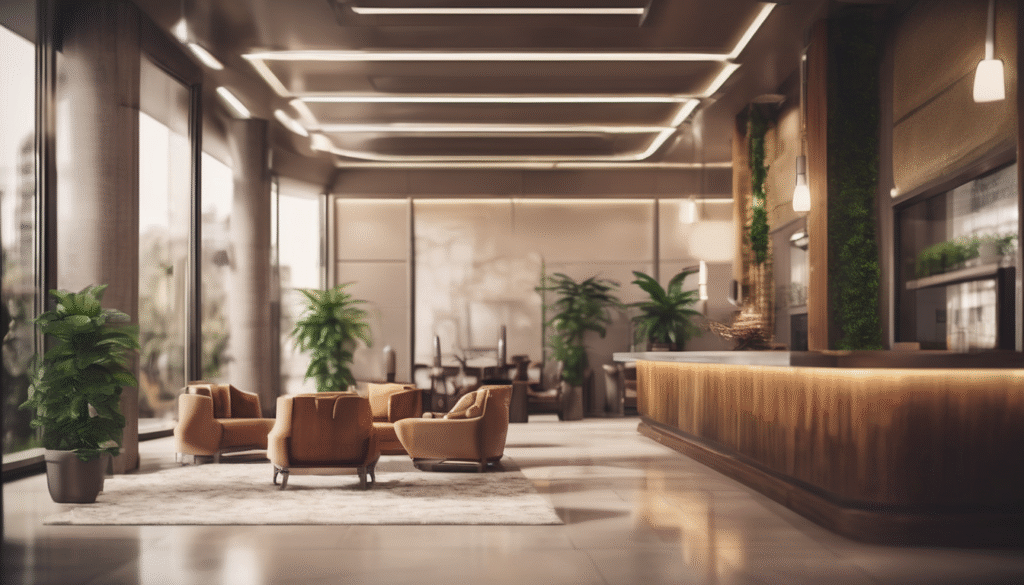
3. Energy-Efficient Lighting
Lighting plays a crucial role in any interior design. Transitioning to energy-efficient options can drastically reduce your energy consumption:
- LED Lighting: Use LED bulbs to save on energy bills and reduce waste.
- Smart Lighting: Implement smart lighting systems that adjust based on occupancy or natural light levels.
- Task Lighting: Provide focused lighting for workstations to improve productivity without over-illuminating the space.
4. Eco-Friendly Paints and Finishes
The choice of paints and finishes can impact indoor air quality significantly. Opt for:
- Low-VOC Paints: These paints limit harmful emissions, improving air quality.
- Natural Finishes: Use natural oils or waxes as finishes instead of synthetic ones.
- Eco-Friendly Wallpapers: Choose wallpapers made from sustainable materials that are biodegradable.
5. Flexible and Modular Spaces
Designing flexible spaces allows for easier adaptation to changing business needs, reducing the need for renovations. Consider:
- Movable Partitions: Use movable walls to create adaptable layouts.
- Multi-Functional Furniture: Integrate furniture that serves multiple purposes.
- Open Floor Plans: Promote collaboration while allowing for easy reconfiguration.
Incorporating Technology in Sustainable Design
Integrating technology can enhance sustainability in commercial spaces. Here are some ways to do it:
- Smart HVAC Systems: Use technology to optimize heating, ventilation, and air conditioning for energy efficiency.
- Building Management Systems: Implement systems that monitor energy use and help manage resources effectively.
- Virtual Reality: Leverage VR technology for design visualization, reducing the need for physical samples and mock-ups.
Benefits of Sustainable Interior Design
Adopting sustainable practices in commercial interior design not only benefits the environment but also offers several advantages for businesses:
- Cost Savings: Energy-efficient designs lead to lower utility bills.
- Enhanced Brand Image: Demonstrating environmental responsibility can improve public perception.
- Increased Employee Satisfaction: Healthier workspaces lead to happier, more productive employees.
- Regulatory Compliance: Meeting green building standards can be essential for business operations.
Conclusion
Embracing sustainable commercial interior design is not just a trend; it’s a necessity for businesses looking to thrive in today’s eco-conscious world. By implementing these ideas, Indore businesses can create functional, beautiful, and eco-friendly spaces that resonate with both employees and clients alike. Start your journey towards a greener workspace today!
FAQs
What are the first steps to making my commercial space more sustainable?
Begin by assessing your current space for energy efficiency, identifying areas where you can reduce waste, and researching eco-friendly materials.
How can I ensure that my interior design choices are sustainable?
Choose materials that are certified sustainable, such as FSC-certified wood, and consider the lifecycle impact of your choices.
Is sustainable interior design more expensive than traditional design?
While initial costs may be higher, sustainable design can lead to long-term savings through reduced energy costs and lower maintenance needs.
Can I incorporate sustainability into an existing space?
Absolutely! You can retrofit existing furniture, upgrade lighting to energy-efficient options, and add plants for improved air quality.
Where can I find eco-friendly materials for my commercial project in Indore?
Check with local suppliers who specialize in sustainable products or reach out to professional interior designers with expertise in eco-friendly solutions.